Suspension Systems and Repair Considerations
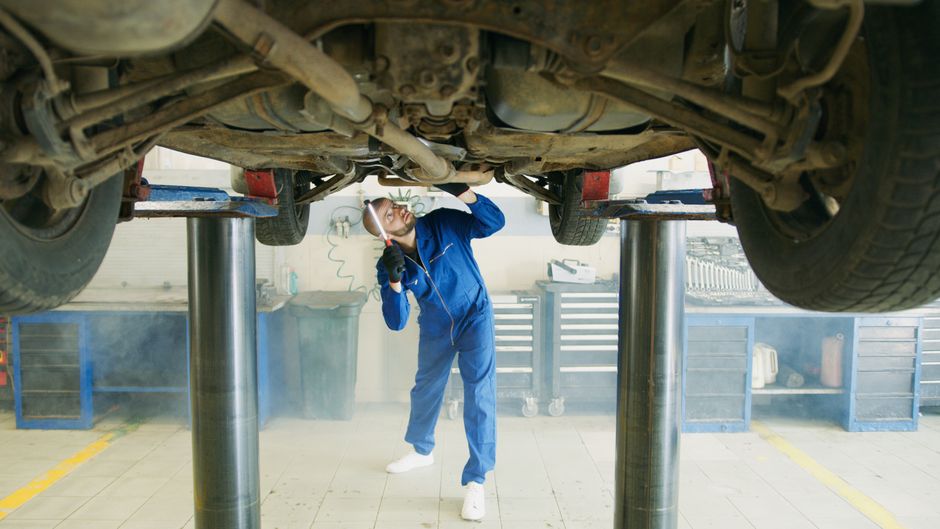
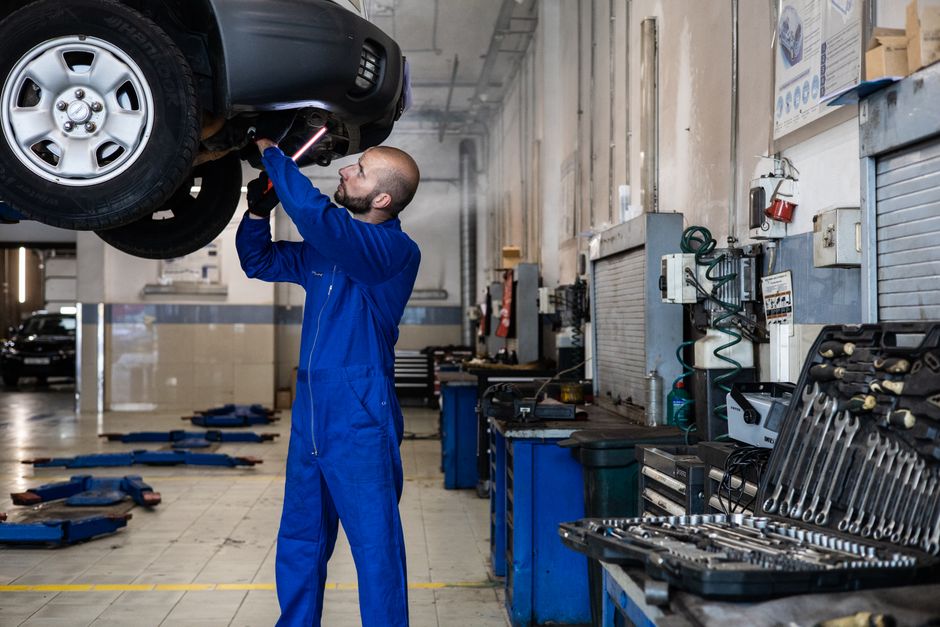
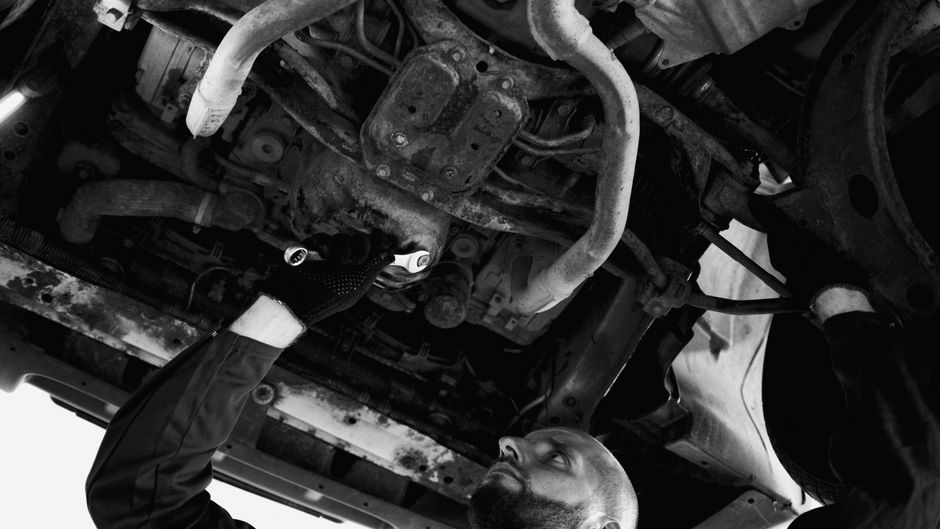
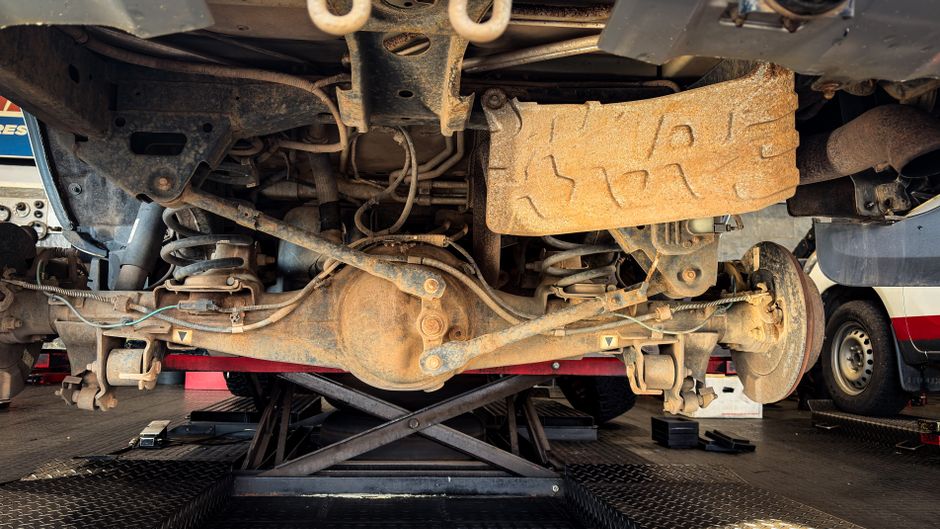
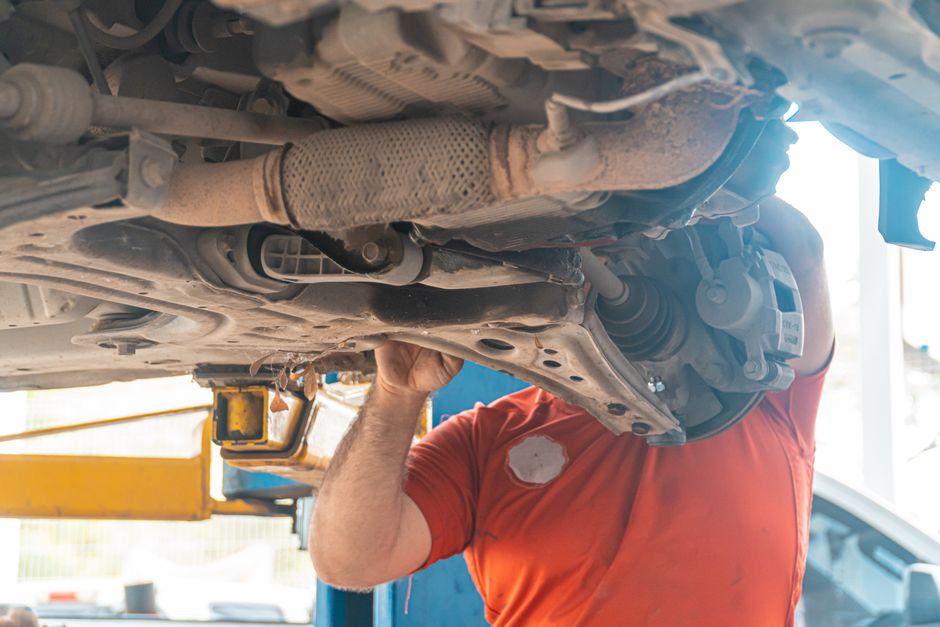
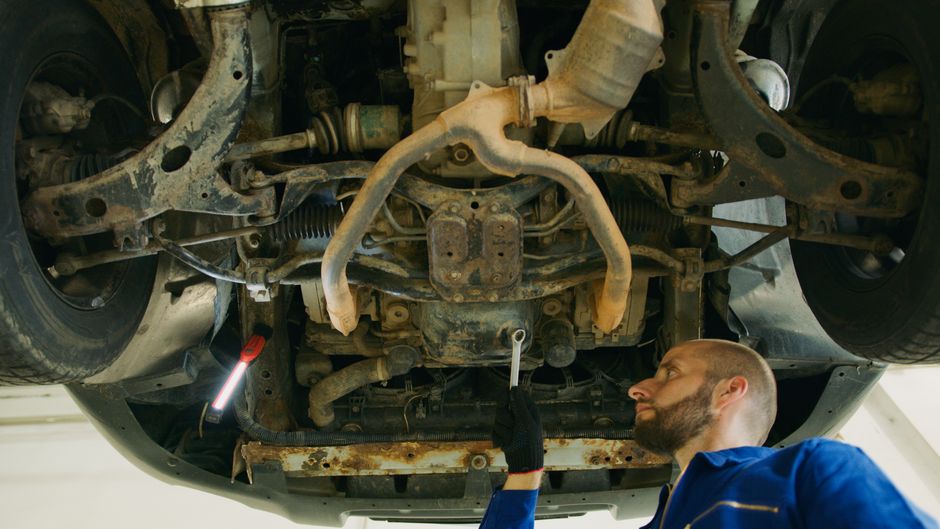
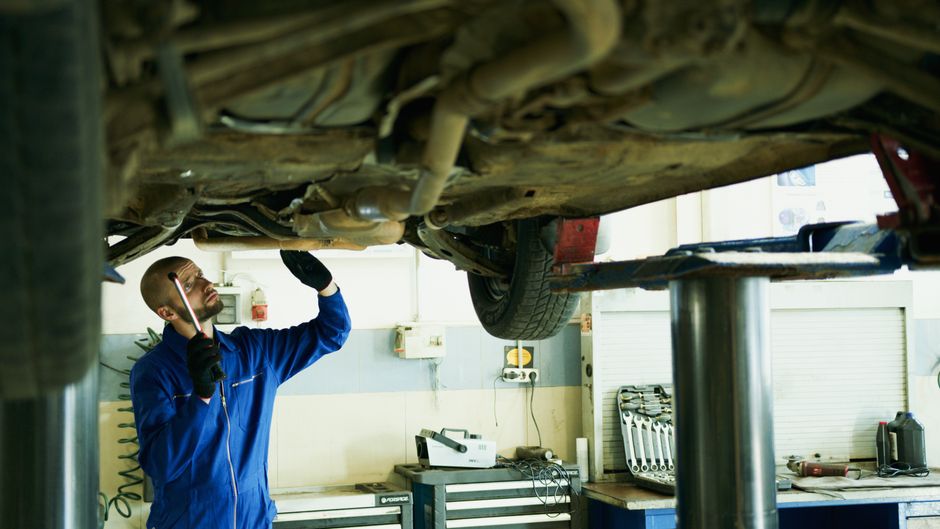
Suspension systems in modern vehicles typically comprise springs, shock absorbers or struts, control arms, bushings, and anti-roll bars, each playing a distinct role in managing weight transfer, road isolation, and tire contact. Wear in these components can manifest as knocking over uneven surfaces, vibration through the steering wheel or chassis, uneven tire wear, or a noticeable decline in cornering stability. Because symptoms often overlap with other chassis or steering issues, a structured inspection is necessary to isolate the contributing elements. Inspection commonly involves visual checks for fluid leakage, torn bushings, or damaged mounts, supplemented by physical tests for play and damping efficiency. The scope of repair depends on which parts are confirmed as worn, with some components serviceable individually and others requiring replacement as assemblies. Repair planning therefore centres on accurate identification and a clear, agreed list of works rather than predetermined outcomes. Multiple factors, including driving conditions and component quality, influence how long any suspension repair remains effective.